Corporate Offsite Planning in Bangalore – A Research-Backed Guide That Actually Works
Bangalore isn’t just India’s tech capital-it’s one of those rare places where business and breathing space seem to get along naturally. I’ve seen teams fly in from Mumbai, Hyderabad, even Delhi, and within hours they’re brainstorming at Nandi Hills or sipping hot filter coffee in Coorg. The weather plays nice, the venues are varied, and the whole city carries a quiet corporate hum that makes productive gatherings feel almost effortless. This guide blends Harvard Business Review-backed Deloitte research insights, facilitation know‑how, and hard-earned lessons from offsites that actually deliver value.
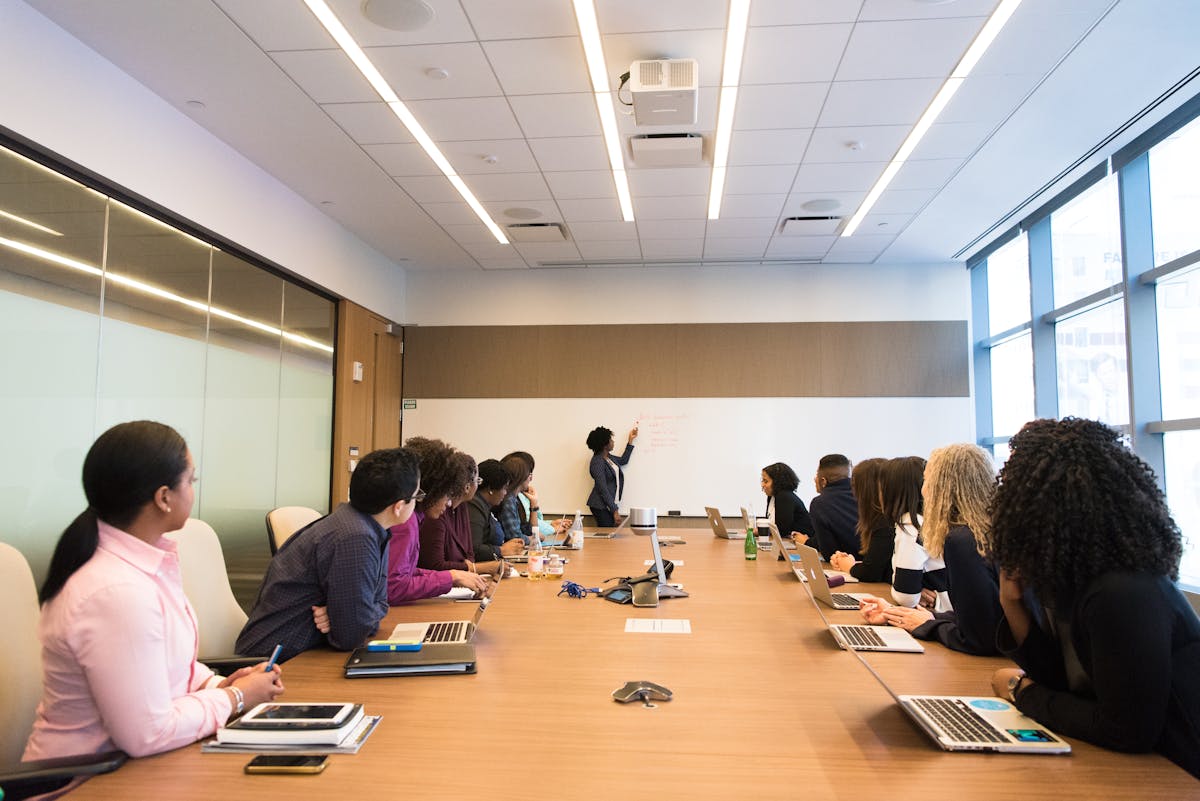 activity" />
Why Bangalore Works for Offsites
Easy to Reach, Easy to Love
Kempegowda International Airport connects to most Indian metros and a handful of global hubs. From there, you’re about an hour to Nandi Hills, three to Mysore, and five to Coorg. That’s important. Less time in transit means more energy for real work. McKinsey’s applied psychology research on leadership effectiveness even points out that reduced travel strain keeps minds sharper for the conversations that matter.
For teams coming from multiple locations, this accessibility reduces logistical complexity. It also enables staggered arrivals or early departures without derailing the agenda-a valuable flexibility factor when planning multi-day events.
Weather You Can Count On
Bangalore’s climate is friendly most of the year. October to February is perfect for agendas that lean on outdoor sessions, but with a little smart planning, any month can work. The Journal of Convention & Event Tourism notes that predictable weather cuts down last‑minute agenda changes-exactly the sort of disruptions that can drain momentum before you’ve even started.
Practical tip: Always have a “Plan B” for outdoor activities-covered pavilions or indoor meeting rooms nearby-so even an unexpected shower doesn’t derail your program.
A City That Speaks “Corporate” Fluently
This is a place where global enterprises and scrappy startups share the same skyline. Leadership workshops by a lake? Common. Design sprints in a vineyard? Absolutely. Strategy sessions in an open‑air pavilion? Why not. And because Bangalore has a deep pool of skilled facilitators, sessions tend to stay focused, not drift. Harvard Business Review has shown that well‑run facilitation can dramatically improve the odds of turning talk into action.
Additionally, the city’s service providers are accustomed to corporate needs-high-speed internet, AV support, breakout rooms, and catering that can accommodate dietary restrictions-making execution smoother.
Five Steps to an Offsite Plan That Sticks
- Get Clear on Your Goals – Are you breaking silos, setting strategy, or just celebrating a big win? The clearer you are, the better the outcomes. Research in organizational development confirms it. Professional facilitators often start with diagnostics to match goals with the right experiences.
Tip: Write down your primary objective in one sentence. Use it as a filter for every agenda item. - Pick a Venue That Fits the Mood – Kaplan & Kaplan’s environmental psychology work shows surroundings shape how we think. Want focus? Choose structured spaces. Need creativity? Go somewhere green and open.
Tip: Ask venues for a site map and photos of meeting rooms before booking-visualizing the space helps match it to your agenda’s energy. - Mix Work and Play – The American Psychological Association says alternating deep work with energizing breaks keeps attention high. Sometimes, the best ideas come during a trek, not a PowerPoint.
Tip: Use the “90/20” rhythm-90 minutes of focused work followed by 20 minutes of energizing activity. - Leave Some Budget Slack – The Project Management Institute suggests having a cushion for the unexpected. It’s the difference between adapting and cutting corners.
Tip: Allocate 10–15% of your total budget for contingencies like transportation delays or additional activity costs. - Think in Phases – Prep your team before, guide them during, and follow through after. Gallup’s research is clear: without post‑event reinforcement, enthusiasm fades fast.
Tip: Schedule a 30-day post-offsite virtual check-in before the event even begins.
Before, During, and After-The Real Work
Before: Build Excitement
Don’t keep the agenda a mystery. Share goals early. Ask for input. Let people shape pieces of the day. Adult learning theory says early involvement builds ownership. Pre‑event digital activities-polls, short surveys, or collaborative boards-can warm up the group and collect insights before anyone boards a flight.
Implementation idea: Create a short “welcome pack” PDF with travel tips, dress codes, and a teaser of planned activities to set the tone and answer common questions in advance.
During: Guide, Don’t Just Host
Left unchecked, group discussions wander. Skilled facilitation keeps the energy moving in the right direction. Structured approaches like design thinking sprints or World Café formats help turn vague ideas into concrete plans quickly. MIT Sloan calls this “structured collaboration”-and it works.
Implementation idea: Assign a timekeeper and a note-taker for each session to ensure discussions stay on track and key takeaways are captured for follow-up.
After: Keep the Spark Alive
Offsites aren’t “done” when the bus heads home. Assign champions for action items. Schedule follow‑ups. Keep the conversation alive through shared documents or chat channels. Gallup’s workplace research shows (Gallup) (Hbr) sustained engagement only happens with ongoing attention.
Implementation idea: Create a shared “Offsite Outcomes” document that lists agreed actions, owners, and deadlines, and review progress at regular intervals.
Venues That Rarely Disappoint
Resorts and Retreats
- Clarks Exotica – Minutes from the airport, great for quick turnarounds.
- Angsana Oasis Spa & Resort – Wellness‑oriented spaces for balanced agendas.
- Windflower Prakruthi – Open grounds and adventure options.
Conference Hotels
- The Leela Palace – High‑end comfort with solid meeting facilities.
- ITC Gardenia – Eco‑friendly with strong service culture.
Outdoor Adventure Spots
- Nandi Hills – Sunrise treks that wake up both body and mind.
- Coorg – Coffee estates perfect for slower, deeper thinking.
- Kabini – Wildlife backdrops that shift perspective.

Activities That Actually Make a Difference
Indoor Skill‑Builders
Hackathons, leadership simulations, market challenges-these aren’t just buzzwords. Kolb’s experiential learning theory backs them up: active problem‑solving builds adaptability faster than any lecture. For example, a market simulation can reveal decision-making patterns and highlight areas for leadership growth.
Outdoor Energy Boosters
Trekking, ziplining, CSR projects. McKinsey’s work on team dynamics shows that shared challenges outside the usual context build trust and improve group problem‑solving. When physical activity is paired with reflection time, the impact on cohesion is stronger.
Culture and Cuisine
Cooking contests, heritage walks, art workshops-these do more than entertain. Cross‑cultural psychology suggests they can boost creativity, expand viewpoints, and open up new ways of thinking. Exploring local markets or participating in regional cooking can also deepen cross-team connections.
Why Offsites Create Real Value
- Better Communication: Neutral ground levels the playing field, making honest dialogue easier (Harvard Business Review).
- Higher Engagement: Gallup links shared, meaningful experiences to stronger commitment.
- Clearer Alignment: Stepping away from the usual grind helps reset priorities.
- Creativity Boost: New environments break old thinking patterns.
Making Yours One to Remember
Balance Heavy and Light
Alternate deep dives with lighter moments. Cognitive load theory says brains need recovery time to lock in new ideas. This balance also keeps energy levels steady across multi-day events.
Use Tech Wisely
Pre‑event polls. Post‑event collaboration tools. Blended engagement research shows that mixing in‑person and digital keeps momentum going long after the event ends. Consider using shared whiteboards or task management apps to maintain visibility of progress.
Measure What Matters
Feedback is useless if it’s vague. Evidence‑based management says measure against your real goals to know what worked. Create specific metrics-such as number of cross-department projects initiated post-offsite-to evaluate impact.

Advanced Planning Considerations
Group Size and Dynamics
Small groups (under 15) allow for more intimate discussions and flexible agendas, while larger groups may require more structured facilitation and multiple breakout sessions. Consider the mix of personalities and departments-diversity can spark creativity but may need intentional icebreakers to build trust.
Time Allocation
Balance is key. Research on meeting productivity suggests that most people can sustain high engagement for about 6 hours of structured activity per day. Beyond that, retention and focus drop sharply. Build in unstructured networking time.
Inclusivity and Accessibility
Ensure the venue and activities are accessible to all participants, regardless of mobility or dietary needs. This fosters a sense of belonging and maximizes participation.
FAQs-What People Always Ask
When’s the best time?
October to February is your sweet spot for outdoor plans. Other months work with a smart backup plan.
What’s a typical budget?
It depends on venue, activities, and headcount. Spend where it supports your goals and keep a reserve for surprises.
How do we get everyone on board?
Involve them early. Give options. Be clear about the “why.” Engagement research shows autonomy and transparency drive participation.
Wrapping It Up-And Getting It Right
Planning a corporate offsite in Bangalore is about more than booking a venue. It’s designing an experience that builds trust, sharpens focus, and gets everyone pulling in the same direction. The city has the climate, the infrastructure, and the people. You bring the intent and structure.
Whether it’s a leadership reset in Coorg or a strategy sprint in Nandi Hills, research‑informed planning turns offsites into real catalysts for change.
The Trebound Edge
- Nationwide Reach: 82+ curated destinations
- Research‑Backed Methods: Activities tied to measurable goals
- Custom Fit: 116 activities tailored to your team
- Premium Access: 650+ vetted resort partners
- Expert Facilitation: Decades of collective, evidence‑based experience
Better conversations. Stronger alignment. More genuine collaboration. When team building is intentional and backed by research, these outcomes aren’t just possible-they’re likely. Skilled facilitation makes sure every element feeds into the bigger picture.

