Annual Team Retreat Planning: A Complete 2025 Guide
Let’s be honest-getting everyone in the same room these days feels like a rare luxury. With hybrid schedules and remote setups, it’s easy for teams to drift into a cycle of virtual check-ins and Slack threads. That’s why an annual team retreat isn’t just “nice to have” anymore-it’s a strategic reset button. It’s where collaboration feels real again, where you can actually read someone’s expression without a camera delay, and where conversations flow in ways they never quite do on Zoom.
Gallup’s McKinsey leadership research backs this up: in-person engagement deepens trust, improves how information moves through teams, and helps performance stick over the long run. Harvard Business Review goes further-shared physical experiences don’t just build rapport, they strengthen problem-solving muscles that you’ll need when the next big challenge lands on your desk.
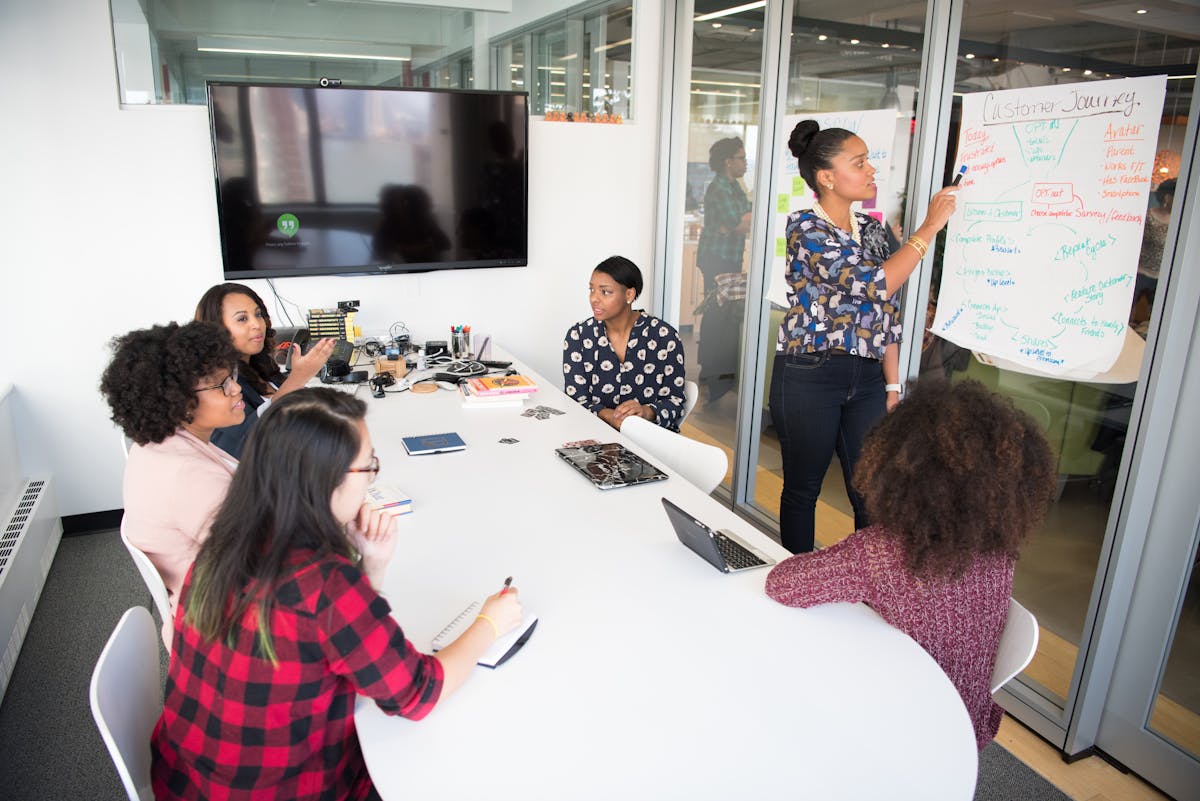
Why an Annual Team Retreat Matters
Here’s what I’ve noticed: when people finally step out from behind their screens, something shifts. The conversations are richer. The laughter is louder. The connections stick. For teams that spend most of their time apart, retreats create a space for the kind of trust and shared purpose you just can’t replicate in a chat thread.
Harvard Business Review has found that the most effective retreats combine focused strategy sessions with unstructured social time. That mix doesn’t just make people happy-it actually improves how they work together once they’re back in their day-to-day roles.
- Strengthening culture: Shared moments make company values tangible, not just words in a handbook.
- Breaking down silos: A casual coffee with someone from another department can spark cross-team ideas.
- Boosting retention: People who feel connected to both leadership and peers are more likely to stick around.
The Science Behind It
Gallup’s organizational studies point out that trust built during these face-to-face gatherings makes teams more adaptable when things get messy. McKinsey’s Stanford team performance research on organizational health shows that companies with strong “social capital” (think trust, shared values, mutual respect) navigate big changes more effectively. And a well-planned retreat, with clear goals and inclusive facilitation, is a fast track to building that capital.
Start with Clear Goals
Here’s where many companies trip up-they book the venue, plan the dinners, but skip the hard question: What exactly do we want to get out of this? Without clear goals, a retreat can easily turn into a costly offsite with no lasting impact.
Some Worthwhile Objectives
- Get leadership completely aligned before the next fiscal cycle.
- Unlock fresh ideas through cross-department brainstorming.
- Mark big wins and recognize the people behind them.
How to Align Everyone
Send a pre-retreat survey to uncover what’s really on people’s minds-challenges, opportunities, frustrations. Build your agenda around those insights. And don’t underestimate the value of a skilled facilitator. Experienced providers like Trebound apply proven frameworks to keep discussions productive and ensure outcomes are documented-exactly what research in the Journal of Applied Behavioral Science recommends for lasting impact.
Picking the Right Location
The setting isn’t just a backdrop-it shapes the retreat’s energy. Environmental psychology research says spaces with natural elements can spark creativity and reduce stress. Whether it’s a quiet hillside, a breezy coastal spot, or a high-tech conference center, the venue should match your retreat’s purpose.
Indoor or Outdoor? Why Not Both
Indoor venues keep focus sharp for strategy-heavy sessions. Outdoor settings invite fresh thinking and collaboration. Mixing the two keeps energy levels balanced-a principle backed by workplace design studies in Environment and Behavior.
Make It Easy to Get There
Think about travel time and accessibility. If your team is spread out, pick a central location with good transport links. You don’t want half your group arriving exhausted before you even start.
Comfort Counts
Good accommodation and thoughtful catering matter more than you think. Dietary inclusivity-vegetarian, vegan, gluten-free-signals that everyone belongs. SHRM’s diversity and inclusion research supports this: small details can have a big cultural impact.

Designing the Agenda
Here’s a simple rule I’ve seen work: about 60% structured work, 40% informal connection. Harvard Business Review notes that this balance keeps focus high without burning people out. Providers like Trebound often design activities that hit strategic goals while keeping engagement up.
Work and Play in Rhythm
Start mornings with strategy workshops while minds are fresh. Follow with afternoon activities that get people moving and interacting. It’s not just fun-cognitive load theory says alternating mental and physical engagement keeps attention sharp.
Breaking the Ice
Kick things off with low-pressure activities. A quick, inclusive game can melt the awkwardness and speed up team bonding-something Tuckman’s team development model explains well.
Leave Time to Reflect
End with space for participants to share takeaways and feedback. Capturing these insights helps refine future retreats and shows that input matters.
Why Simulations Work
McKinsey’s leadership offsite research found that scenario-based simulations help leaders retain and apply new skills. Building these into your agenda ensures lessons don’t vanish once everyone’s back at their desks.
Budgeting Without Cutting Impact
Money matters, but it’s about spending smart, not just spending less. Research on event ROI says the key is aligning costs with clear objectives. That’s how you get value you can see later.
Smart Ways to Save
- Plan during off-peak travel seasons.
- Negotiate group rates with venues.
- Tap into existing partnerships for discounts.
Offsetting Costs Creatively
Some companies bring in sponsors for certain activities, creating shared value without compromising the retreat’s focus. EventMB’s research shows this is common for large-scale gatherings.
Getting Everyone On Board
Engagement starts long before day one. Teasers, pre-event challenges, and involving people in activity selection build anticipation. During the retreat, keep a mix of learning and free time. Afterward, follow up with collaborative projects to keep the momentum alive.
Pre-Retreat Energy Boosters
- Send a countdown with fun facts about the destination.
- Run lighthearted team challenges in the lead-up.
- Share an agenda preview so people know what’s coming.
Common Pitfalls to Avoid
- Skipping measurable objectives.
- Packing the schedule with no breaks.
- Choosing hard-to-reach venues.
- Forgetting to cater to different activity preferences.
Measuring Success
Don’t let the retreat fade into a fond memory. Use surveys, focus groups, and informal chats to capture immediate reactions. Over time, track collaboration, engagement, and cross-team projects to see if the retreat’s benefits stick. The Academy of Management Journal suggests that structured follow-up is key to lasting impact.

Seasonal and Location Tips for India
- Bangalore & Hyderabad: Ideal for innovation-focused retreats with design sprints.
- Mumbai & Pune: Often head to Goa, Lonavala, or Alibaug for a mix of work and leisure.
- North India: Rishikesh, Manali, or Jim Corbett are great summer escapes.
- Goa & Kerala: Beach and wellness programs work year-round.
Weather Matters
Plan around the climate. Monsoon? Stick to indoor workshops. Winter? Perfect for outdoor adventures. Comfort equals better participation.
How Experienced Facilitators Help
- Curating activities that tie directly to strategic goals.
- Connecting with venues that fit your needs.
- Applying evidence-based facilitation methods backed by Gallup, McKinsey, and HBR research.
- Managing logistics so you can focus on the people, not the problems.
Wrapping It Up
A great retreat isn’t about fancy venues or packed schedules-it’s about intention. Research shows that when you pair clear goals with thoughtful design, you get more than just a pleasant few days away. You get stronger collaboration, better communication, and a culture that feels alive.
If you want to make sure every detail-from agenda flow to follow-up-hits the mark, consider working with a professional facilitator. Standards like Zero Failure Delivery help ensure your retreat delivers value that lasts well beyond the closing session.

