Book a Corporate Offsite Organizer Who Gets Your Team
Planning a corporate offsite isn’t just about booking a nice hotel and hoping for the best. It’s a bit like hosting a family reunion for 50 people who all work together - you need the right space, the right activities, and a clear reason for bringing everyone together. Without that, you risk ending up with an expensive “day off” instead of a meaningful team experience.
When you book a corporate offsite organizer, you’re not just outsourcing logistics. You’re bringing in someone who knows how to turn a jumble of schedules, personalities, and business goals into an event that actually moves the needle. In my experience, professional facilitation - the kind offered by experienced partners like Trebound - can be the difference between a forgettable trip and one your team talks about for years because it actually changed the way they work together.

Finding the Right Planner: More Than Just Booking a Venue
Here’s what I’ve noticed after years of seeing offsites succeed (and sometimes flop): the magic happens when the organizer understands your team’s culture and where you’re trying to go as a business. The Academy of Management Journal backs this up - events that align with company goals have a much bigger impact on learning and cohesion.
So, how do you choose the right one? Try this step-by-step approach:
- Define Your Goals: Is this about breaking down silos? Planning the next quarter? Building leadership skills? Gallup research shows that when people know the “why,” they engage more deeply.
- Set a Budget: Be realistic. Include travel, food, activities, and a little extra for the unexpected. Skimping on the right facilitator can cost you in long-term results.
- Evaluate Experience: Look for someone with a track record in your industry or with similar group sizes. Harvard Business Review points out that relevant experience increases your odds of hitting your targets.
- Review Activity Options: You’ll want a mix - high-energy challenges for some, reflective sessions for others. Variety keeps people engaged.
- Check Logistics Expertise: The best planners make travel hiccups and special dietary needs disappear so leaders can focus on the team itself.
Why a Pro Makes All the Difference
Sure, you could DIY it. But here’s the thing - professional offsite planners don’t just make things run smoothly. They create conditions where real breakthroughs happen. Harvard Business Review has found that well-facilitated offsites can strengthen cross-team networks and improve problem-solving.
- Boosting Morale: Shared experiences outside the office build trust faster than a dozen Zoom calls (Journal of Applied Behavioral Science).
- Memorable Moments: Whether it’s an adventure challenge or a creative workshop, these shared memories stick and shape team identity.
- Risk Management: When plans shift - and they will - experienced organizers already have a Plan B (and C).
- Strategic Focus: Activities aren’t random; they’re tied back to your company’s goals.
- Lasting Change: Follow-up processes make sure insights don’t fade once you’re back at your desks.
Making an Offsite Work: What’s Worth Doing
If you want results, you can’t just wing it. You need a framework that’s grounded in talent development research.
1. Before You Leave the Office
- Run anonymous surveys to spot collaboration gaps (SHRM research confirms this is gold for planning).
- Get leadership on board with clear, aligned objectives.
- Set success markers - maybe faster cross-department projects or better decision-making.
2. Facilitation That Actually Works
Good facilitators don’t lecture. They guide. They use tools like design thinking and scenario planning to get people thinking differently. Organizational psychology SHRM workplace studies shows these methods boost creativity and cohesion.
3. Bringing It Back Home
McKinsey found that reinforcing learning within 48 hours makes it stick. That’s why many organizers build in toolkits, follow-up calls, and action plans.
4. Measuring the Impact
- Gather feedback right after the event.
- Watch for changes in how teams work together over the next few months.
Offsite Ideas That Actually Get People Talking
I’ve seen Trebound roll out everything from high-energy adventure days to quiet leadership retreats, all backed by professional facilitation and customization.
Leadership Retreats
Think strategy workshops paired with activities that help leaders step out of the daily grind. Research shows that this space to think improves collaboration and vision-setting.
Adventure Challenges
From white-water rafting to high ropes, these push teams to trust each other and solve problems fast. The Journal of Experiential Education notes that shared physical challenges in a safe setting can bond a team like nothing else.
Creative & Strategy Workshops
Design-thinking sessions, innovation labs, problem-solving games - these break down silos and spark real conversations between departments.

What It Costs (and Why It’s Worth It)
Price tags vary - location, size, duration, and what you pack into the agenda all matter. Trebound’s flexible packages keep costs in check without cutting corners. Transparent pricing means no surprises, and smart planning means you get real value.
From First Call to Final Handshake
- Kickoff Conversation: Understanding your goals, culture, and budget.
- Tailored Proposal: Venue ideas, activity plans, and a draft itinerary.
- Logistics Management: Travel, rooms, catering, gear - handled.
- Onsite Facilitation: Keeping the energy and focus where it should be.
- Post-Event Review: Feedback, insights, and next steps.
Pro Tips for Getting the Most Out of It
- Build in reflection time so activities connect to real work.
- Mix structured sessions with casual networking moments.
- Offer something for every personality and learning style.
- Pair people up as accountability partners after the event.
FAQs: What People Always Ask
How far in advance should I book?
Three to six months ahead is a safe bet, especially if you want top venues in peak season.
Do you handle travel arrangements?
Yes - everything from flights to buses to on-the-ground coordination is part of the package.
Can you make it work for remote teams?
Absolutely. Hybrid offsites are becoming more common, and research in MIT Sloan Management Review shows they keep remote employees engaged when designed well.
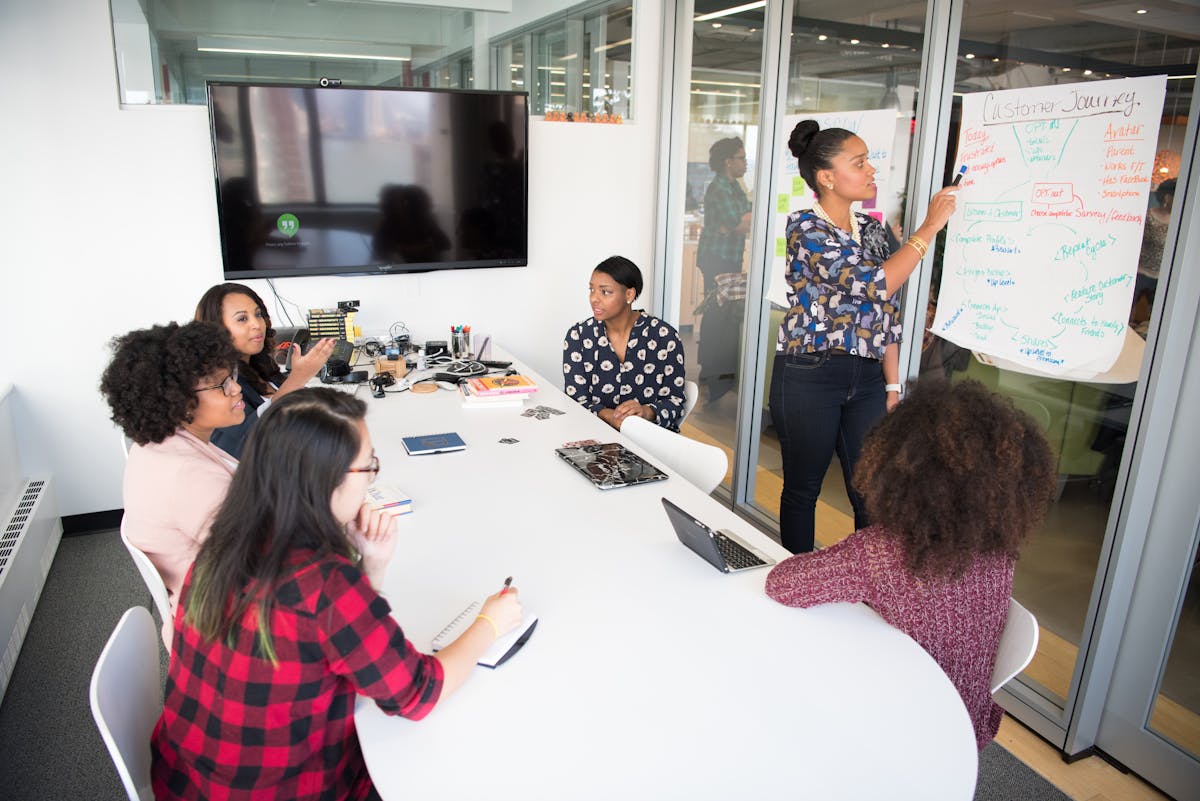
Why Partnering With Pros Matters
Experienced facilitators, like those at Trebound, work to Zero Failure Delivery standards - meaning every detail gets the attention it deserves. That kind of consistency matters when you want your offsite to deliver on its promise.
Wrapping It Up
The research is clear: when an offsite is planned with purpose, executed well, and followed up thoughtfully, it can change how a team works together. Gallup, Harvard Business Review, McKinsey - they all point to the same thing. It’s not about the location or the catering alone. It’s about creating an experience that sticks.
If you’re serious about making your next offsite count, think beyond “a nice day out.” Get the right people to plan it, the right structure to guide it, and the right follow-up to make it last. That’s how you turn a two-day event into a turning point for your team’s growth.

