
How to Improve Team Collaboration in India: Strategies That Work
In today’s fast-paced and hybrid-driven corporate environment, knowing how to improve team collaboration in India is no longer optional-it’s a competitive necessity. Indian workplaces are uniquely diverse, blending multiple languages, cultural backgrounds, and hierarchical traditions. This diversity brings immense potential for innovation, but also unique challenges that require a strategic approach to foster effective teamwork.
Research from Gallup and Harvard Business Review underscores the link between strong collaboration and improved business outcomes. For Indian organizations, especially those adopting hybrid work models, intentional collaboration strategies can significantly enhance productivity, employee engagement, and workplace harmony.
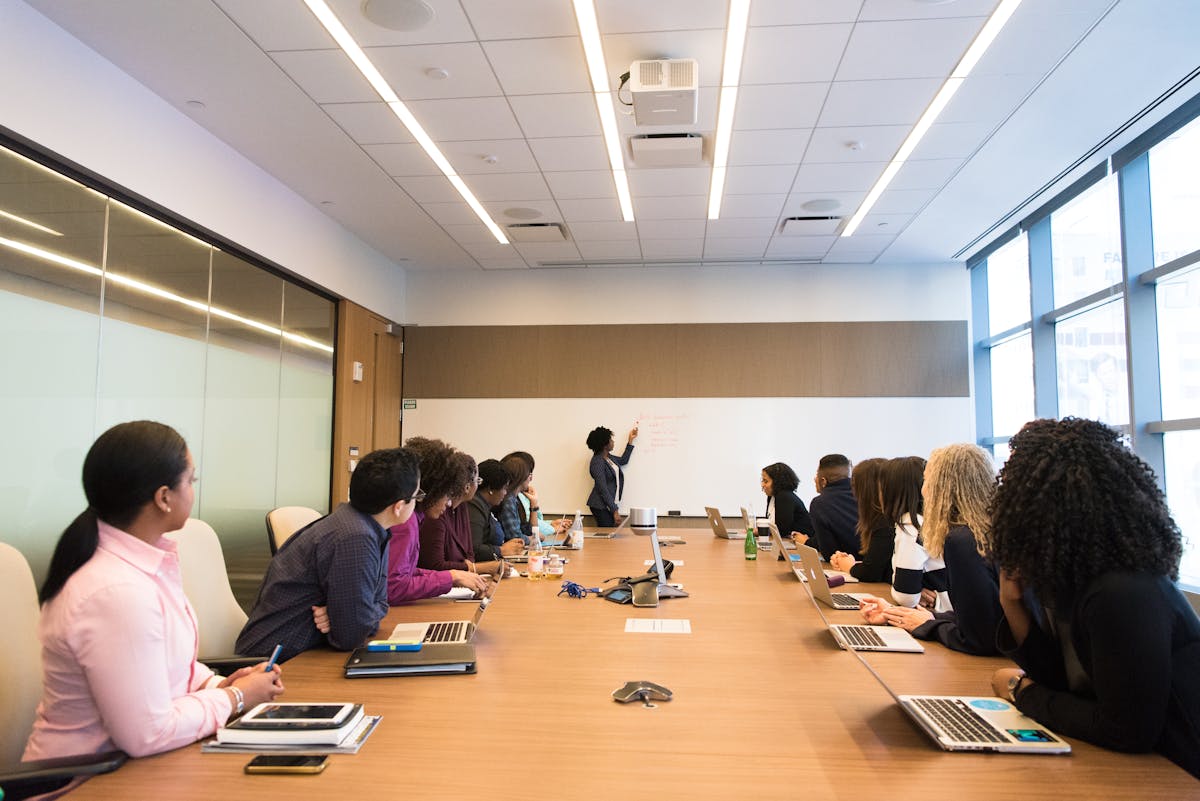
Understanding Team Collaboration in the Indian Workplace
Team collaboration in India is influenced by deep-rooted cultural values, workplace norms, and evolving technology adoption. Traditionally, Indian corporate culture has emphasized respect for hierarchy, with decision-making often concentrated at the top. However, the rise of startups, IT hubs, and global partnerships has accelerated the shift toward more participative and agile teamwork models.
Key aspects of Indian workplace collaboration include:
- Relationship-building: Personal rapport often plays a significant role in professional cooperation.
- Respect for authority: Hierarchical structures still influence communication flows.
- Adaptation to technology: Rapid adoption of tools like Microsoft Teams, Slack, and Trello to support hybrid work.
Common Challenges in Teamwork Across Indian Organizations
While the potential for collaboration is high, certain challenges can hinder progress:
- Communication barriers: Language diversity, regional accents, and remote setups can lead to misunderstandings.
- Resistance to change: Some employees may prefer traditional workflows over new collaborative tools.
- Lack of clarity in roles: Ambiguity in responsibilities can result in duplicated efforts or missed tasks.
- Cross-department silos: Departments may work in isolation, limiting knowledge sharing.
Key Strategies to Improve Team Collaboration
Foster Open Communication
Encouraging transparent, two-way communication is essential. Leaders should create platforms-both digital and in-person-where team members can share ideas freely without fear of criticism. Regular check-ins, feedback loops, and open forums build a culture of trust and inclusivity.
Build Trust and Mutual Respect
Trust is the foundation of collaboration. Activities that promote understanding of each team member’s strengths and challenges can enhance mutual respect. Trebound’s Collaboration Catalyst activity is designed to build trust through problem-solving challenges that require collective effort.
Encourage Cultural Sensitivity
Given India’s cultural diversity, awareness of different work styles, holidays, and communication preferences is crucial. Teams that embrace cultural sensitivity reduce misunderstandings and strengthen relationships.
Use Collaboration Tools Effectively
Digital platforms like Slack, Microsoft Teams, and Asana streamline task management and communication. The key is to train teams on optimal usage-establishing norms for messaging, meeting schedules, and document sharing to avoid overload.
Set Clear Goals and Roles
Harvard Business Review notes that role clarity increases efficiency and reduces conflict. Leaders should define responsibilities clearly and link them to measurable outcomes, ensuring each member knows their contribution to the bigger picture.

Technology and Tools to Support Collaboration in India
With 47% of Indian corporates adopting hybrid models (NASSCOM 2024), technology plays a pivotal role in bridging location gaps.
Project Management Platforms
Tools like Asana, Trello, and Jira help track tasks, deadlines, and project progress, ensuring accountability and transparency.
Real-Time Messaging Apps
Slack and Microsoft Teams enable instant communication and file sharing, reducing email overload and response delays.
Video Conferencing Solutions
Zoom and Google Meet facilitate face-to-face interaction for distributed teams, critical for building rapport and reducing miscommunication.
Measuring and Sustaining Collaboration Success
To ensure collaboration strategies are effective, organizations should track key performance indicators (KPIs) such as:
- Project completion rates and timelines
- Employee satisfaction and engagement scores
- Frequency of cross-departmental projects
Regular feedback sessions and post-project reviews help identify improvement areas. Continuous learning initiatives, like leadership development programs and refresher workshops, sustain collaboration momentum.

Building a Collaborative Culture in India
Creating a collaborative culture in India requires aligning strategies with cultural nuances, technological trends, and business objectives. Leaders must champion collaboration as a core value, model transparent communication, and invest in team-building experiences that deliver measurable results.
Why Trebound is India’s Leading Collaboration Partner
With over a decade of experience and the trust of 500+ corporate clients, including multiple Fortune 500 companies, Trebound specializes in designing and delivering team-building solutions that directly impact workplace collaboration. Our portfolio includes:
- 116 unique activities tailored for various team dynamics
- 82+ premium destinations across India
- 650+ luxury resort partners for unforgettable offsite experiences
Our evidence-based approach is grounded in research from Gallup, McKinsey, and Harvard Business Review, ensuring every activity is not just engaging but also strategically aligned with business outcomes. Whether it’s hybrid team challenges, cross-functional trust-building, or leadership offsites, Trebound delivers with our #ZFD (Zero Failure Delivery) commitment.
Implementing effective team building requires a strategic approach based on research and best practices. Organizations that prioritize evidence-based team development see measurable improvements in collaboration, communication, and overall performance.
For professional facilitation and expert guidance in team building initiatives, consider partnering with experienced providers who can customize programs to your specific organizational needs.

