
Software Development Team Collaboration Workshops for Agile Teams
In the fast-paced world of software development, agility is more than just a methodology-it’s a mindset. Agile teams thrive on collaboration, rapid iteration, and adaptive planning. Yet, even the most skilled development teams can struggle with communication gaps, siloed thinking, and misaligned goals. This is where software development team collaboration workshops for agile teams play a transformative role, enabling teams to improve productivity, enhance creativity, and deliver high-quality software consistently.
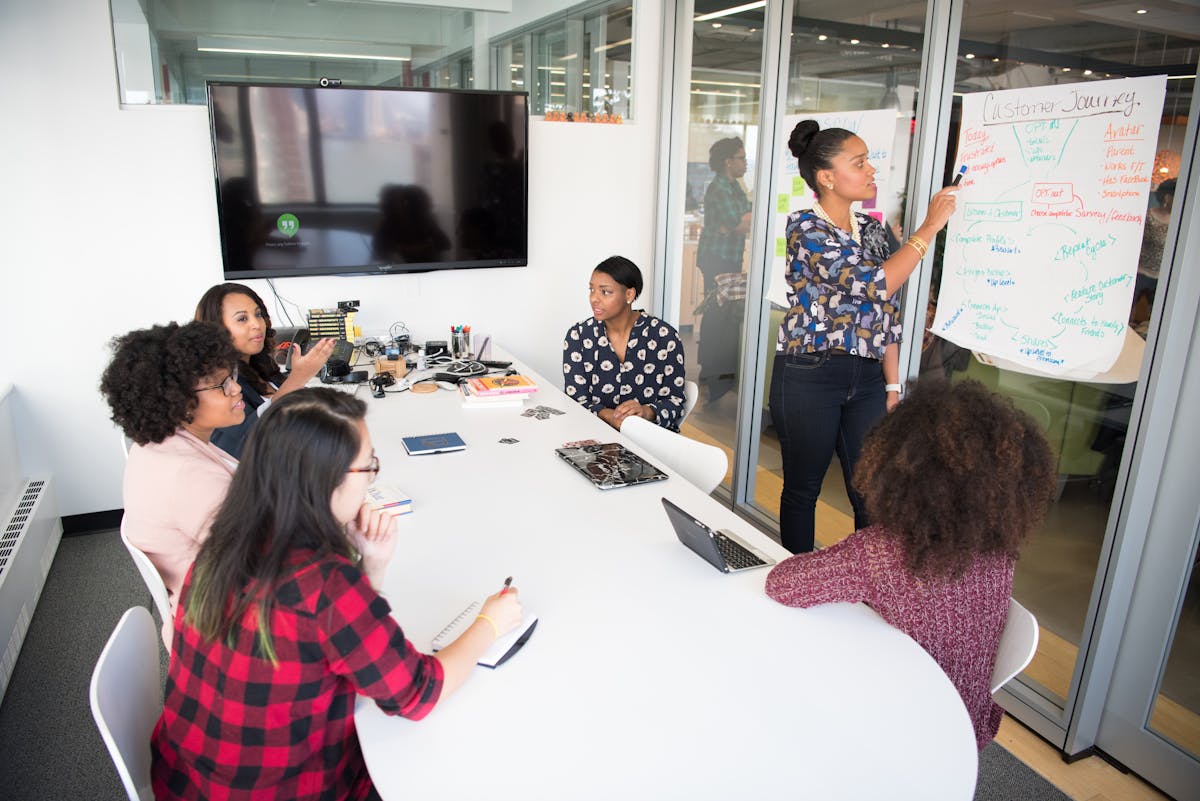
Why Agile Teams Need Collaboration Workshops
According to the Agile Manifesto, individuals and interactions are valued over processes and tools. While stand-ups, retrospectives, and sprint planning sessions are built into Agile frameworks, they don’t always address deeper team dynamics or strategic alignment. Collaboration workshops help bridge these gaps by:
- Creating structured environments for cross-functional problem solving
- Fostering psychological safety where all voices are heard
- Breaking down silos between development, QA, product, and design
- Strengthening trust and team cohesion in distributed environments
Key Benefits for Software Development Teams
Research from Gallup and Harvard Business Review suggests that teams with strong collaboration outperform their peers in both quality and speed of delivery. For Agile software teams, the benefits include:
- Faster Problem-Solving: Workshops encourage diverse perspectives, accelerating resolution of complex technical issues.
- Better Goal Alignment: Teams leave with a shared understanding of sprint objectives and product vision.
- Enhanced Trust and Morale: Structured collaboration builds interpersonal bonds that improve resilience.
- Improved Delivery Timelines: Clearer workflows and reduced miscommunication lead to faster release cycles.
Types of Agile Collaboration Workshops
Sprint Retrospectives
Retrospectives are essential for continuous improvement. A workshop-style retrospective uses facilitation techniques, gamification, and breakout sessions to uncover deeper insights and actionable improvements.
Design Thinking Sessions
These sessions help agile teams ideate solutions from a user-centric perspective, aligning design and development priorities early in the sprint cycle.
Cross-Functional Planning Meetings
Bringing together developers, QA, product owners, and UX designers to plan sprints ensures dependencies are identified and addressed upfront.
Code Review and Pair Programming Sessions
Workshops focused on collaborative coding practices improve code quality, knowledge sharing, and team-wide technical proficiency.

How to Plan and Facilitate Effective Workshops
- Set Clear Goals: Define the workshop’s purpose-problem-solving, innovation, process improvement, or skill-building.
- Choose the Right Format: Virtual, in-person, or hybrid formats should match team needs and geographic distribution.
- Engage All Participants: Use facilitation tools like breakout rooms, polls, and collaborative boards to maintain engagement.
- Manage Time and Outcomes: Keep discussions focused, document decisions, and assign action items.
Tools and Techniques for Agile Team Collaboration
Digital Whiteboards
Platforms like Miro and MURAL allow real-time brainstorming and mapping, even for distributed teams.
Agile Project Management Tools
Jira, Trello, and Azure DevOps help track sprint progress, backlog items, and team velocity.
Communication Platforms
Slack, Microsoft Teams, and Zoom provide instant messaging, video conferencing, and integrations with development tools.
Documentation Tools
Confluence and Notion enable centralised, accessible documentation for processes, meeting notes, and decisions.
Real-World Examples of Successful Workshops
In one large-scale Agile transformation, a distributed software team adopted quarterly collaboration workshops facilitated by Trebound. Over six months, the team reported improved sprint completion rates and higher participation in retrospectives. The workshops combined Agile methodology sessions with experiential activities, reinforcing trust and team alignment.
Common Challenges and How to Overcome Them
- Remote Team Barriers: Use asynchronous collaboration tools and schedule overlapping hours for critical sessions.
- Resistance to Change: Start with small, low-risk workshops to demonstrate quick wins.
- Meeting Fatigue: Incorporate interactive elements, gamification, and shorter, focused sessions.
Measuring Workshop Impact on Agile Performance
To ensure workshops deliver tangible value, track metrics such as:
- Sprint velocity trends over time
- Defect rates and code quality improvements
- Team satisfaction and engagement survey results
- Cross-team dependency resolution speed

Trebound’s Expertise in Agile Collaboration Workshops
With over a decade of experience delivering high-impact corporate workshops, Trebound has partnered with more than 500 clients, including several Fortune 500 companies, to design and facilitate software development team collaboration workshops for agile teams. Leveraging a portfolio of 116 activities across 82 destinations and 650+ premium resort partners, Trebound uniquely combines Agile coaching with experiential learning for lasting results.
Partner with Trebound for Agile Team Success
Implementing effective team building requires a strategic approach based on research and best practices. Organizations that prioritize evidence-based team development see measurable improvements in collaboration, communication, and overall performance.
For professional facilitation and expert guidance in team building initiatives, consider partnering with experienced providers who can customize programs to your specific organizational needs.

